
Beyond Weight Loss: What Does ‘Healthy Eating’ Really Mean?
Is this food healthy? It seems like a simple question, but the answer isn't always straightforward. We speak with our dietitian about why healthy eating looks different for everyone, the many ways nutrition can support our health, and why there's much more to dietetics than weight loss and meal plans.
Q: Hey Jenna, what are some signs that it might time to see a dietitian? We’d love this to cut through the idea that dietitians are only for weight loss. What are some of the everyday health concerns or goals you can help with?
A: Most people associate dietitians with weight loss. And yes, that’s part of what we do, helping people understand their nutritional needs and make changes that are realistic enough to last.
But weight management is only one small part of dietetics.
Often, people come to us because something has changed. They’ve been diagnosed with diabetes, kidney disease or heart disease and suddenly need to think differently about food. They’re having ongoing gut symptoms. They’ve developed an allergy or intolerance and aren’t sure what they can safely remove from their diet without missing something important.
Sometimes the concern isn’t losing weight, but keeping it on. Unintentional weight loss, loss of strength or difficulty eating enough (particularly after illness, surgery or a hospital stay) are all reasons we might get involved.
And sometimes there isn’t a major diagnosis. You might simply feel confused about what you should be eating, particularly when there’s so much conflicting nutrition advice around.
That’s really where a dietitian can be useful: taking all of that information and working out what actually makes sense for you, your health and your everyday life.
Q: What’s something about dietitians that people are often surprised to learn? Is there something you find yourself explaining to patients often?
A: I think a lot of people don’t realise there’s actually a difference between a dietitian and a nutritionist. In Australia, “nutritionist” is quite a broad term, and people using it can have really different levels of training. Accredited Practising Dietitians are recognised health professionals by Medicare, Department of Veterans’ Affairs (DVA) and private health insurers. A dietitian can call themselves a dietitian or a nutritionist, but a nutritionist cannot call themselves a dietitian.
Dietitians have specific university training in medical nutrition therapy, including how nutrition can be used to help manage medical conditions beyond just talking about generally eating well. We might be working with someone who has metabolic or hormonal issues, a type of cancer, a neurological condition or another health condition where what they eat genuinely needs to be considered alongside their medical care. Additionally, as a person moves through the different stages of life, certain nutrients become more or less of a focus, and a dietitian has had training to identify the specific needs across the lifespan.
That’s why, if your doctor has told you that you need to change your diet because of something going on with your health, it can be really useful to see a dietitian. We can look at the whole picture, your health, your results, what you’re currently eating and what’s actually realistic for you, rather than giving you generic nutrition advice.
“We tend to talk about foods as though they’re inherently healthy or unhealthy, but nutrition is much more contextual than that. What makes sense for one person may be completely inappropriate for someone else.
”
Q: What’s one piece of nutrition advice you wish people would stop worrying about? Give us your take on where people tend to over (or under) complicate nutrition.
A: One question I get asked all the time is: “Is this food healthy?”
And it’s a surprisingly difficult question to answer. What is healthy for you might not be the case for the next person. We tend to talk about foods as though they’re inherently healthy or unhealthy, but nutrition is much more contextual than that. What makes sense for one person may be completely inappropriate for someone else.
For one person, “healthy” might mean choosing lower-energy foods because they’re working towards a weight loss goal. For someone else, it might mean being mindful of potassium because they’re managing kidney disease. If you’ve been losing weight without meaning to, “healthy” could actually mean eating more energy and protein to help maintain muscle and strength.
If you’re managing a heart condition, it might mean paying closer attention to salt. For someone dealing with constipation or IBS, the focus might be on getting the right balance of fibre and fluids, while figuring out which foods work well for their gut. Someone with an iron deficiency might need to think more about including iron-rich foods.
..and if you’re taking a GLP-1 medication and eating much smaller amounts, “healthy” might mean making sure the food you are eating is giving you enough protein, vitamins and other essential nutrients. I could keep going, because “healthy” can mean something completely different from one person to the next. That’s why I’m always a little hesitant when someone asks me whether a particular food is healthy. I’d much rather look at the whole picture: what’s going on with your health, what you’re eating overall, what your body needs and what are your health goals?
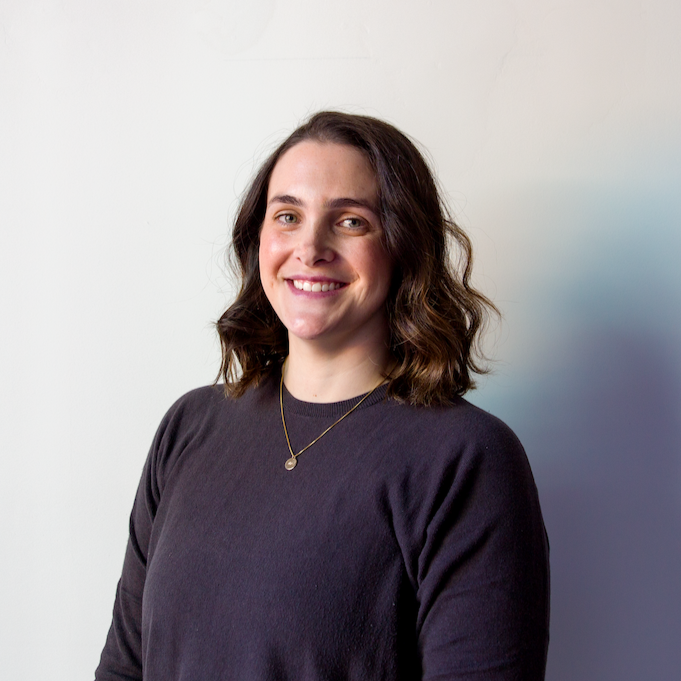
Jenna Amon
Dietitian
Jenna is a Senior Dietitian who is passionate about providing evidence-based nutrition care that is flexible and individualised to the needs of her patients. She is a compassionate and friendly healthcare provider with over a decade of clinical nutrition experience having worked as a dietitian in both public and private hospitals in rural and metropolitan locations. Jenna has worked across all healthcare settings from intensive care to acute hospital wards to rehabilitation with a major metropolitan hospital service in Melbourne, where she also worked in many specialised outpatient services including clinics in cardiology, diabetes, food allergy, neurology, renal disease, home enteral nutrition and weight management.
Jenna is excited to work with you in providing a care plan that is goal-orientated, effective and achievable.
Outside of work, Jenna loves to spend time with her family, cook, do a pilates class, or make handmade ceramics on her pottery wheel. Book with Jenna below: